




Breathe Easy
By Mark Loehrke
Appears in the October 2025 issue.
Focusing on lung health
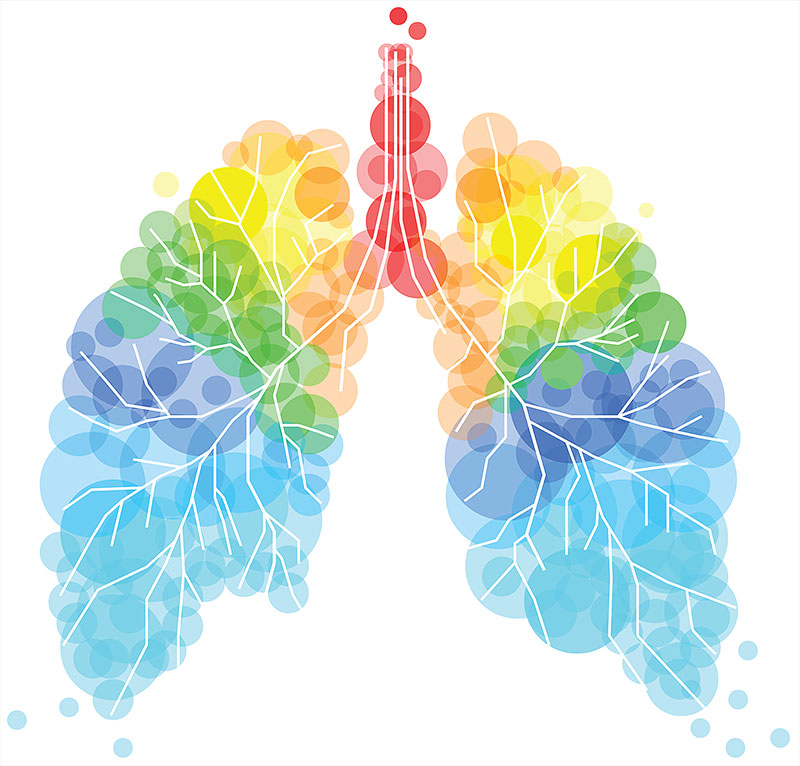
For people with normal breathing and lung function, the multiple air-quality alerts triggered by Canadian wildfire smoke this past summer was likely more of a mild annoyance than a true threat. But for those with chronic pulmonary issues, the hazy days of summer 2025 were often more serious—they were a reason to stay inside and a persistent reminder of the fragility of their lungs.
For pulmonologist Benjamin Seides, meanwhile, the heavy focus on air quality and breathing issues was an unfortunate but necessary cue for those who tend to take their lungs for granted. “The lungs are not just passive organs of breathing—they’re intricately linked to cardiovascular function, energy levels, immune response, and quality of life,” says Seides, the director of interventional pulmonary at Northwestern Medicine Central DuPage and Delnor Hospitals. “Protecting them should be a lifelong priority, not just a concern for those with known respiratory issues.”
Seides and his team routinely care for patients with a broad spectrum of respiratory conditions, including asthma, chronic obstructive pulmonary disease (COPD), pulmonary infections, various forms of interstitial lung disease, and lung cancer. And it is this last, most serious affliction that has produced one particularly concerning trend for he and other pulmonologists in recent years—the rising incidence of lung cancer in individuals who have never smoked. “While smoking remains the leading cause of lung cancer, we’re now seeing a growing number of cases—especially in women and younger patients—who have no history of tobacco use,” he explains. “The reasons are complex and likely include environmental exposures, air pollution, and genetic factors, but the trend underscores the need to broaden public awareness beyond traditional risk groups.”
Broadening that awareness of pulmonary issues is one of the main goals of Healthy Lung Month, sponsored each October by the Lung Health Institute. Seides hopes this type of observation inspires people to take a moment to pay a little more attention to issues that can affect their lungs—and maybe to make a preventative appointment to see their doctor.
“Lung disease—including and perhaps especially lung cancer—often develops gradually and silently,” he notes. “Individuals may lose a significant portion of their lung function before symptoms become obvious, and by the time shortness of breath or a chronic cough is recognized, the disease may already be advanced.”
Love Your Lungs
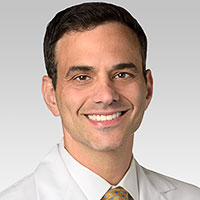
Time to give your lungs a little more TLC. Pulmonologist Benjamin Seides says there are several evidence-based steps you can take to protect your lung health, including:
• Avoid smoking and exposure to secondhand smoke and refrain from using e-cigarettes or vaping devices, all of which are among the most preventable causes of lung disease.
• Stay physically active, as regular aerobic exercise supports respiratory health by improving lung capacity and efficiency.
• Get vaccinated against respiratory infections such as influenza, COVID-19, and pneumococcal pneumonia, which can reduce the risk of severe illness that can damage the lungs.
• Minimize exposure to environmental pollutants, including poor indoor air quality, mold, and occupational hazards like dust or chemical fumes.
• Address respiratory symptoms early—a persistent cough, unexplained shortness of breath, or chest discomfort should not be ignored, especially since early evaluation can make a significant difference in outcomes.
Photos: Northwestern Medicine. Art: istock
